
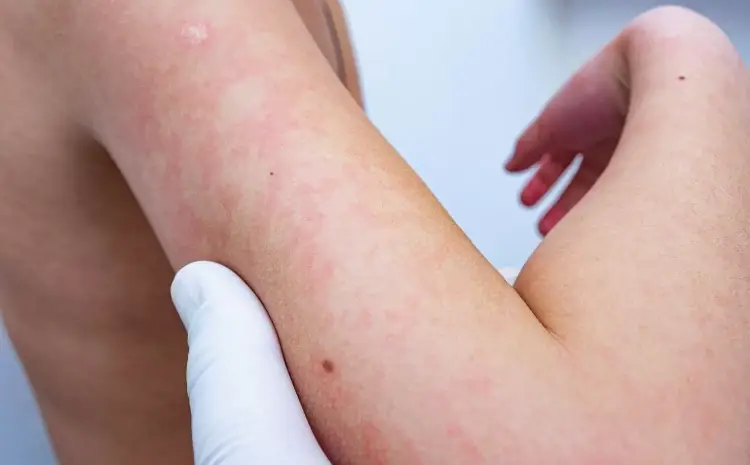
Many people start to suffer from a common skin condition as temperatures increase and summer arrives: heat rashes. Usually red, itchy, and irritating, these rashes can strike quickly and make the warm months intolerable. Heat rashes are a frequent issue that can strike anyone at any age, regardless of whether your skin is sensitive or you just happen to be a heavy sweater. Making all the difference is knowing their causes and how to treat and stop them.
Definition of a heat rash
When sweat gets caught under the skin, a condition called heat rash—also called prickly heat or miliaria—results. Usually, the condition results from blocked sweat ducts causing the perspiration to leak into the nearby tissue instead of evaporating from the surface. Small blisters or pimples, redness, and inflammation follow from this. Hot and humid surroundings are most likely to cause heat rash since too much sweating becomes a daily problem there.
Heat rash of several varieties exists. The mildest variety is miliaria crystallina, which is distinguished by tiny, non-itching, clear lumps devoid of pain or itching. The more frequent variety, miliaria rubra, causes red rashes, itching, and prickling feelings. More severe occurrences of miliaria profunda impact deeper skin layers and may cause painful sores.
Why do heat rashes occur?
Usually when the body sweats more than normal and the sweat glands get overloaded, heat rashes result. Your risk can be raised by things like tight or synthetic clothes, working out in hot conditions, poor ventilation, and some drugs. Because their sweat ducts are not fully developed, babies and small children are especially vulnerable. Adults who reside in warm areas or are overweight also face a greater risk.
Sweat and Friction: Their Function
Among the primary causes of heat rash is sweat. Sweat becomes trapped under the skin, leading to inflammation when it can’t escape through its surface. When friction occurs in areas such as under the sleeves, in the inner thighs, or under tight waistbands, the situation worsens. These places retain heat and moisture, which makes the ideal setting for rashes to develop.
Heat rash can also occur under bras, affecting the chest, back, neck, and possibly the face. Further aggravating the skin are friction and sweat, which cause that obvious itching and burning sensation. Staying dry and cool is therefore crucial, particularly if you are prone to too much sweating.
Heat Rash’s Symptoms
The kind and degree of the heat rash will affect its symptoms. Typical symptoms are minor red bumps or blisters, itching or a prickling sensation, slight swelling, redness and inflammation, and a warm or burning sensation in the impacted area. More severely, heat rash might get infected. See a doctor if you detect rising redness, discomfort, pus, or fever. These could indicate a subsequent bacterial infection calling for medical attention.
Right Away Action to Calm the Skin
Cooling down comes first if you find yourself struggling with a heat rash. Get to a shady or air-conditioned space. Take off tight or stifling clothes and softly cool water bathe the region. Don’t rub; pat your skin dry. To help with itching and inflammation, use a cold compress or cool shower.
Let the injured skin air. Unless advised by a medical practitioner, steer clear of using strong lotions or creams. Rather, choose light-weight, calming treatments include aloe vera gel or calamine lotion. These can thus ease skin irritation and lessen itching. Steer clear of scrubbing the region to stop more harm or infection.
Avoiding Rashes from Heat
Stopping heat rash mostly depends on keeping cool and dry. Choosing loose, airy, breathable fabrics like cotton that let air flow about your body is one of the most sensible moves. Synthetic or tight clothing tend to trap sweat, hence your pores will probably get blocked.
Whenever at all feasible, keep in cool surroundings as well. Use fans, air conditioning, or spend time in shaded outside space. Take a brief shower to wash off perspiration from your skin following any kind of exercise. This lessens the possibility of sweat aggravating conditions and building up. In places prone to friction, a little talcum or anti-chafing powder will assist absorb moisture and lower the likelihood of a rash developing.
Drinking adequate water keeps your skin moist and less prone to become irritated as well as helps control body temperature. Additionally avoid using oily lotions or thick creams that could restrict your pores. Summertime non-comedogenic skin products will help your skin remain breathable and clean.
Home Remedies You Should Try
Certain natural therapies could offer comfort and hasten recovery. Cooling and anti-inflammatory qualities of aloe vera gel are well-known. Gentle application of it to the afflicted area can help to reduce redness and pain. Another great way to soothe inflamed skin and cut itching is with an oatmeal bath.
Another approach is to gently apply a paste created with baking soda and water on the rash. This helps to dry off extra moisture and hence ease itching. When applied to inflamed skin, cucumbers slices could provide a short cooling effect. Still, always do a patch test to make sure none of these home cures irritate your skin—especially if it is sensitive.
When should one see a doctor?
With correct treatment, most heat rashes go away on their own in a few days. It’s necessary to see a dermatologist, though, if your rash gets more uncomfortable, exhibits symptoms of infection like pus or swelling, or doesn’t clear after several days. Particularly if a secondary infection has formed, medical therapy could call for topical antibiotics or anti-inflammatory lotions.
A doctor could look deeper to see whether an underlying issue like hyperhidrosis is causing recurrent heat rashes for a patient. In these situations, addressing the underlying problem can help stop rashes going forward.
Extra Thoughts for Young Children and Senior Citizens
Heat rashes on a newborn’s neck, back, and diaper area are common. Their sensitive skin and immature sweat glands make them particularly vulnerable to rashes in hot and muggy conditions. Change diapers often, keep them in cool surroundings, keep their clothes light and breathable, and keep them free from protection.
Heat rashes can also strike the elderly, especially those with restricted mobility. Common places of discomfort are skin creases and pressure points. Preventing problems mostly depends on regular skin inspections and preserving excellent cleanliness.
Conclusion
Though often not severe, heat rashes are unpleasant. Your chances of developing heat rashes will be much lowered by following basic guidelines include keeping good hygiene, wearing breathable clothing, and remaining cool. Should you acquire one, mild and timely treatment can hasten healing.
Let summer to be enjoyed free from skin irritation. Watch your body, keep your skin dry and clean, and treat any early heat rash symptoms. Summer ought to be about fun—not about battling rashes.