
Most people get up not thinking about their kidneys. They consider breakfast, the traffic, the 11 a.m. conference, possibly even their blood sugar or step count. And kidneys? They seldom ever complete the wellness checklist until they fail. And often it is too late to undo the harm when that occurs.
This is so because kidneys do not cry in pain. They do not cause you a temperature or a clear, obvious pain. They gently and subtly fall away. Your kidneys may have already lost a great deal of their ability by the time you see unusual changes in your urine, ongoing tiredness, or swelling in your legs.
The actual bombshell is also kidney illness is significantly more common than most people believe. Global estimates indicate that millions more people are at risk but undiagnosed while 1 in 10 people suffer from some type of chronic kidney disease (CKD).
How Your Kidneys Help You Every Single Day
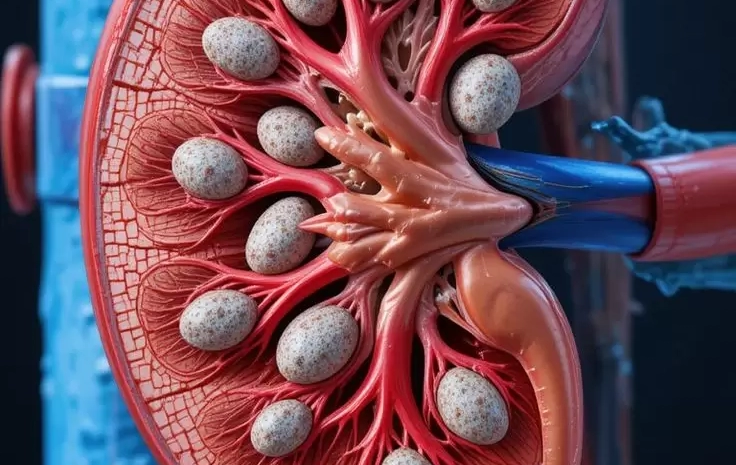
Many times, we take for granted the extent our kidneys perform. Nestled just under the rib cage, these bean-shaped organs filter your blood 24/7, eliminating pollutants, waste materials, and extra fluids. They control your potassium, salt, and acid content. Through hormone release, they assist to regulate blood pressure. By turning Vitamin D into its active form, they even help to maintain your bones healthy and create red blood cells.
Every single day, your kidneys filter around 50 liters of blood and produce one to two quarts of urine. Saying that without healthy kidneys everything else in your body struggles to operate as it should is not hyperbole. That by itself should cause them to show up permanently on your wellness radar.
Kidney Disease: The Stealth Mode Illness
Kidney disease is so hazardous in part because it develops silently and slowly. Over years, chronic kidney disease might advance without any symptoms at all. You might not be feeling ill. You might still be in motion. You might seem to be healthy. Inside though, your kidneys might already be deteriorating.
When symptoms finally show up—swollen ankles, frequent overnight urination, inexplicable tiredness, elevated blood pressure, muscular cramps, poor concentration—it usually indicates that major damage has already been done. renal health tests are therefore rather important, particularly if you have risk factors such diabetes, hypertension, a family history of renal disease, or are over sixty.
By the time someone approaches end-stage kidney disease, their choices are much less. One must survive via either dialysis or a kidney transplant.
Diabetes, Blood Pressure, and the Renney Connection
Living with diabetes or high blood pressure causes your kidneys to be already under attack. Leading causes of chronic renal disease are these two disorders. The tiny blood vessels in your kidneys suffer when your blood sugar is too high or your blood pressure is uncontrolled. This makes it more difficult for them over time to adequately filter your blood.
There is a perilous cycle here. Kidneys that are damaged also increase your blood pressure considerably. And inadequate blood sugar control keeps kidney damage accelerating. Those with diabetes or hypertension must thus be especially careful with kidney maintenance.
Simple lab tests—such as determining your estimated glomerular filtration rate (eGFR)—or examining creatinine levels—can find early indicators of problems. The drawback is that most people are not even aware they should request these tests until it is too late.
Ways of Life That Damage Your Kidneys
Unknowingly, some people damage their kidneys by daily routines. The most often occurring problem is dehydration. Your kidneys battle to eliminate waste if you don’t drink enough water. Urinary tract infections and kidney stones can be brought on by chronic dehydration, therefore compromising the kidneys even more.
Using too many over-the-counter drugs—especially NSAIDs like ibuprofen and naproxen—also contributes silently. Particularly if you already have underlying kidney problems, these can cut blood flow to the kidneys.
And then there’s diet. A diet heavy in high-sodium, processed foods not only raises your blood pressure but also directly strains renal function. Regularly consuming too much animal protein, salt, and sugar causes the kidneys to work harder than they ought to.
Furthermore lowering blood flow to the kidneys and raising kidney failure risk include smoking and too heavy alcohol consumption. Poor sleep, a sedentary lifestyle, and even persistent stress all add to the type of systematic inflammation that wears out your kidneys over time.
Little Adjustments Made Now Could Have a Significant Impact
The good news is renal disease is generally avoidable. Furthermore, even if you already have early-stage renal problems, little but persistent lifestyle adjustments can help to slow down their advancement.
Start by keeping hydrated; yet, avoid overdoing it. For most people, about 8 to 10 glasses of water daily are plenty. Eat a whole-foods, balanced diet including lean proteins, fruits, vegetables, and good fats. Cut back on red meat, fizzy drinks, and processed snacks.
Also lowering your risk is regular exercise. Essential to kidney function, blood pressure and blood sugar can be controlled with just 30 minutes daily of swimming, cycling, or walking.
If you smoke, stop right now. Cut back if you overindulge in alcohol. If you have high blood pressure or diabetes, carefully control them. Use your healthcare professional to monitor your kidney function routinely; take recommended drugs consistently.
Additionally wise is to cut back on over-the-counter drugs and steer clear of needless supplements unless directed by a doctor. More often than not, especially with kidneys, does not necessarily imply better.
The Value of Early Intervention
Many times, people discover they have kidney disease either during an emergency room visit or following normal test findings. By then, sixty to seventy percent of kidney capacity could already be gone.
Early screening is thus absolutely vital. Your kidney condition might be much informed by a basic urine and blood tests. If you have risk factors such diabetes, obesity, high blood pressure, or a family history of kidney disease, these tests are particularly crucial.
Early on in a drop in kidney function, you have more ability to slow down or perhaps stop it. Many patients with early kidney disease can lead full, healthy life without ever requiring dialysis with appropriate lifestyle modifications, drugs, and frequent monitoring.
Act now; do not wait for symptoms.
Too many people wait for their body to transmit a strong message. But silence is not golden when kidney function is poor. Waiting until symptoms show is like waiting for your automobile engine to seize before looking at the oil. You want to avoid this gamble.
If you appreciate independence, vitality, and longevity, then renal health calls to you. Plan consistent visits to the doctor. Request that kidney function tests be included into your blood work by your doctor. Ignorance of symptoms including tiredness, edema, or changes in urination will not help. These might be your kidneys flagging redly.
Taking control of your renal condition calls for modest adjustments. It only calls for awareness, regularity, and appreciation for the daily labor your kidneys accomplish.
Kidney Stories That Demand Busting
One of the most persistent misconceptions concerning kidney illness is that it mainly affects senior citizens. Actually, kidney problems can start in your 30s—especially if you have diabetes, are obese, or have high blood pressure. The increase in lifestyle illnesses indicates that renal issues are beginning to affect younger people more than in past times.
Another myth holds that drinking lots of water will solve all problems. Although being hydrated is crucial, overhydrating cannot treat renal illness. Actually, drinking too much water can cause fluid overload—a deadly disorder—should your kidneys already be compromised.
Then there is the erroneous conviction that renal illness is invariably fatal. It is not. Often with appropriate treatment, early-stage renal disease can be controlled. With the correct therapy, even persons in later stages can lead happy life.
The emotional toll kidney disease takes
The emotional toll renal illness takes is sometimes missed in the conversation about it. Particularly if they are on dialysis, those with kidney issues can battle with worry, despair, and loneliness. Even the most upbeat individual can become tired from the food restrictions, the worry of requiring a transplant, and the physical effort.
Managing renal health so depends critically on community support, mental health treatment, and honest communication. Nobody ought to have to negotiate kidney disease on their own. A world can be made quite different by family, friends, and even internet support groups.
Why Should Public Health Priority be Kidney Health?
Kidney illness is no more a niche problem given the growing incidence of diabetes, hypertension, and obesity. It’s a public health emergency. Still, knowledge is poor and compared to other chronic diseases, funding for kidney health education and research is generally meager.
We have to change our culture. Every wellness discussion should include kidney health, much as heart and mental health issues. Children should be taught by their schools about good nutrition and water. Part of their workplace health initiatives, companies should provide screenings. Healthcare professionals should also screen at-risk patients.
By giving kidney health first priority both personally and socially, we avoid needless suffering, lower healthcare costs, and enhance millions of people’s quality of life.
In essence, kidney awareness will determine your future.
Start caring, not waiting until your kidneys are already compromised. Feeling good does not mean everything is running as it should. Most importantly, though, never undervalue how vital these two tiny organs are to your whole life.
Taking care of your kidneys does not imply sacrificing all aspect of your existence. It entails drinking adequate water, working your body, choosing better foods, controlling current medical issues, and planning frequent visits. It involves tuning in to your body—even if it whispers.
Since when it screams at last it could be too late.