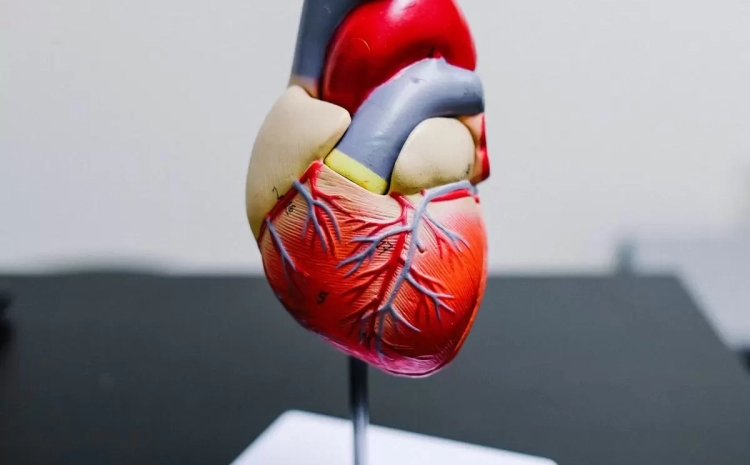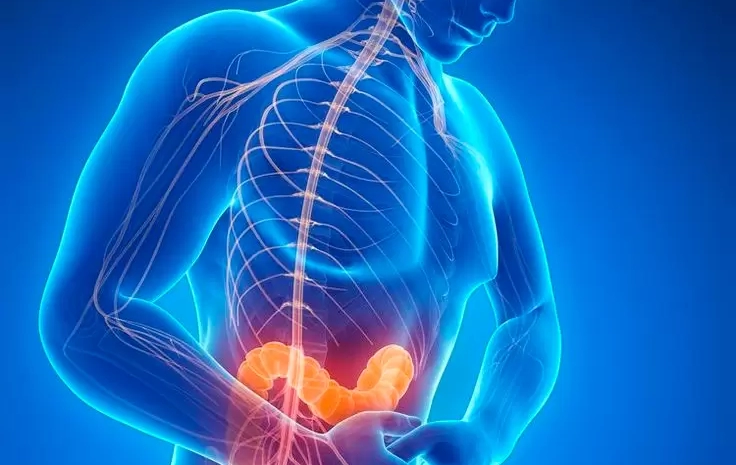
Myocardial infarctions, or heart attacks, are among the most urgent medical crises. The cardiac muscle’s oxygen supply is drastically diminished or blocked during a heart attack. Lack of oxygen can kill heart muscle, causing lasting injury, incapacity, or death. Time…
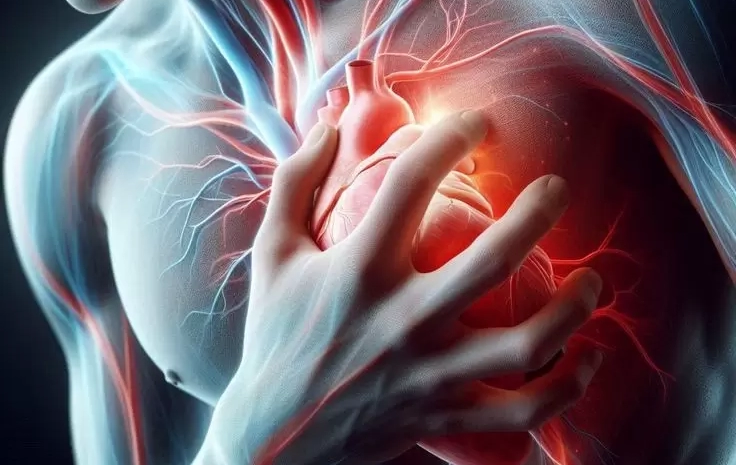
Most people have chest pain at some point. Many dismiss it as indigestion—a heavy meal, spicy food, or acid reflux. Self-diagnosis is generally harmless. However, chest pain can be more than indigestion. It could indicate a heart attack or other…
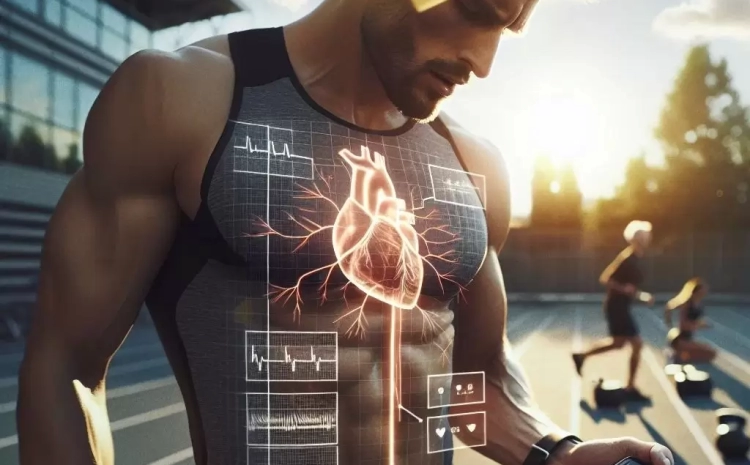
Physical fitness is thought to prevent all heart issues. Pictures of athletes running marathons, lifting weights, and cycling for kilometres promote the assumption that fitness equals heart health. Regular exercise is one of the best strategies to strengthen the heart…
Smoking harms practically every organ in the body and is one of the worst habits. Most people identify smoking with lung problems like chronic bronchitis and lung cancer, but its heart harm is equally deadly and generally underestimated. Smoking is…
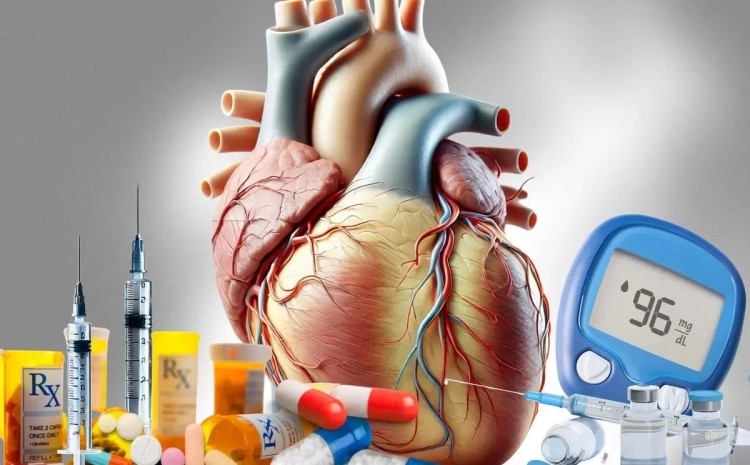
Effective prevention and control can lower many diabetes and heart attack risks. Blood sugar control is crucial, but excessive blood pressure, cholesterol, and obesity must also be managed. Doctors call this holistic approach controlling the ABCs: A for A1C, B…
The concept of “heart age” intuitively quantifies cardiovascular risk. Heart age converts health parameters like blood pressure, cholesterol, smoking status, and diabetes into age equivalents instead of percentages. For instance, a 50-year-old may have a heart age of 60, indicating…
Most people see a heart attack as someone holding their chest, collapsing on the ground in agony, and asking for help. This picture is ubiquitous in films and TV, but reality is often different. Myocardial infarctions don’t usually happen suddenly.…
The heart suddenly stops beating, causing cardiac arrest. It causes an abrupt loss of consciousness and pulse because the heart cannot pump blood to the brain, lungs, and other important organs. In minutes, cardiac arrest kills without medical intervention. Knowing…
Almost everyone at some point in their life will naturally feel stressed. While occasional stress might be a motivator or tool for short-term problem management, chronic stress—the type that persists and accumulates over time—can have major effects on physical health.…
General well-being depends on keeping proper kidney function. Filtering waste items from the blood, balancing body fluids, controlling blood pressure, and therefore sustaining red blood cell production depend on the kidneys. Unfortunately, poor food, inactive lifestyle, chronic diseases including diabetes…