
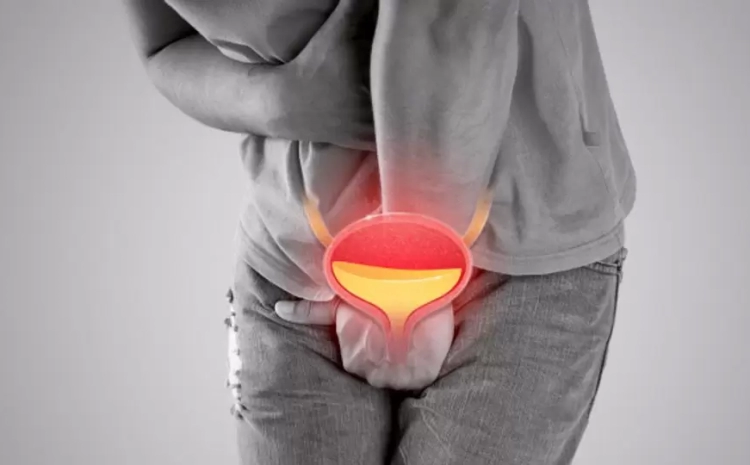
One of the most prevalent urinary tract infections (UTIs) is bladder infections, which affect both men and women but are more common in women due to anatomical variations. They develop when bacteria, usually Escherichia coli (E. coli), enter the urinary tract and grow, causing bladder inflammation and pain. Most bladder infections may be treated with medical care, but ignoring symptoms can extend to the kidneys and worsen health. Keeping your urinary health starts with understanding bladder infections and how to prevent them.
Bladder infections—what are they?
UTIs that affect the bladder, which stores urine before excretion, are called bladder infections. This is called cystitis medically. Bacteria can enter the bladder through the urethra. These germs grow and infect if the body’s defenses fail.
Bladder infections can be acute, with immediate symptoms, or chronic, reoccurring. Chronic infections can be connected to underlying health issues, making prevention and care even more crucial.
Common Bladder Infection Causes
Most bladder infections are caused by bacterial entry or urinary system abnormalities. Bacterial invasion is the main cause, however lifestyle, medical factors, and medications can contribute.
Women are especially susceptible because their shorter urethra lets bacteria enter the bladder more quickly. Poor hygiene, such as wiping from back to front after using the toilet, can potentially spread anal bacteria to the urethra.
Sexual action can push bacteria toward the urethra. This is why bladder infections are called “honeymoon cystitis.” Birth control with spermicides or diaphragms may increase risk.
An enlarged prostate can block urine flow and foster bacteria, causing bladder infections in men, though less often. Chronic urinary catheter use, kidney stones, diabetes, and weakened immune systems also contribute.
Bladder infection symptoms
Bladder infections often cause severe symptoms that disrupt daily life. Urination burning is the most prevalent symptom. Many people feel the need to urinate more often, even when empty. Another indicator is passing small volumes of pee.
Some detect hazy or foul-smelling pee, while others see blood. Women often have lower abdominal or pelvic pain. Fever, back discomfort, or nausea may signal that the infection has moved to the kidneys, requiring quick medical intervention.
Increased Susceptibility Risks
Certain variables considerably increase bladder infection risk. Anatomically, women are more at danger. Pregnancy increases vulnerability because hormonal changes relax urinary tract muscles, decreasing urine flow and permitting bacteria growth.
Bacteria thrive in enlarged prostates because men have trouble emptying their bladders. High blood sugar weakens the immune system and feeds bacteria, making diabetics more susceptible to infections.
Urinary catheter users, whether from surgery, accident, or chronic diseases, are at high risk. Bacteria enter the bladder via the catheter. Immune-compromised patients like those receiving chemotherapy or HIV have a harder time fighting infections.
Untreated Bladder Infection Complications
Ignoring bladder infection symptoms might be dangerous. Pyelonephritis can result from bacteria from the bladder reaching the kidneys if untreated. More severe kidney infections can produce high fever, back pain, chills, nausea, and vomiting. In severe circumstances, untreated infections can enter the bloodstream and cause sepsis.
Chronic bladder infections can cause bladder scarring, inflammation, and decreased bladder function. Recurrent infections during pregnancy might cause premature labor and low birth weight. This emphasizes the significance of early medical care and not ignoring symptoms.
Bladder Infection Diagnosis
Medical history and symptoms usually start diagnosis. Most urine tests check for germs, white blood cells, and red blood cells. If the infection keeps coming back, doctors may offer urine cultures, ultrasounds, or cystoscopy, which uses a camera to inspect the bladder.
Men should be evaluated because bladder infections are rare and may indicate prostate enlargement or urinary tract blockage.
Bladder infection treatments
Most bladder infections are treated with antibiotics, which kill the germs. The severity of the infection and health history determine antibiotic type and duration. For recurring infections, lengthier courses or low-dose preventative antibiotics may be recommended.
Over-the-counter painkillers can ease discomfort while antibiotics work. Frequent water intake flushes germs from the urinary system. Managing bladder infections that are linked to other health issues requires treating the underlying disease.
Bladder Infection Prevention: Simple Tips
Prevention of bladder infections generally requires basic cleanliness and simple but beneficial lifestyle changes. Staying hydrated is one of the easiest ways to dilute urine and eliminate bacteria from the urinary system. Urinating often lowers bacterial development by reducing urine retention.
Hygiene after toileting is important, especially for women. Wiping from front to back keeps anal bacteria from reaching the urethra. Sexually active people should urinate before and after sexual activity to remove bacteria from the urethra.
Scented feminine hygiene products like sprays and douches might disrupt the natural bacterial balance, so avoid them. Cotton underwear reduces moisture and bacterial growth.
Caffeine and alcohol can irritate the bladder, therefore limiting them may help frequent bladder infection sufferers. Cranberry juice or supplements may reduce recurrence risk, although research is inconsistent.
When to See Doctor
Minor bladder infections may resolve on their own, but if symptoms last more than a day or two, consult a doctor. Urinary blood, acute pain, fever, or nausea demand rapid attention. Pregnant women, diabetics, and immunocompromised patients should not delay treatment due to increased consequences.
Urologist or primary care physician can assist discover the cause of repeated bladder infections and design a specific prevention plan.
Maintaining Bladder Health for Comfort
Common bladder infections don’t have to be disruptive. Knowing their causes, symptoms, and prevention methods helps people lower their risk. Hydrating, hygiene, and therapy are simple yet effective bladder health measures.
By taking bladder infections seriously, they can be managed and avoided long-term health issues. Listening to your body and making conscientious lifestyle choices can considerably reduce the risk of repeated infections and improve urinary health.