
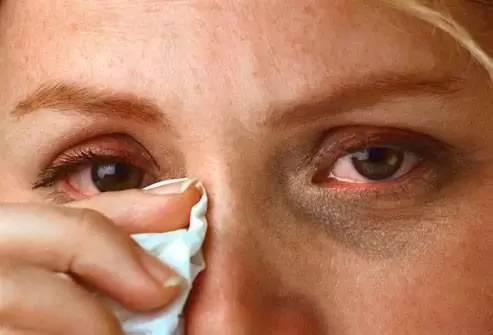
Millions of individuals worldwide suffer from allergic conjunctivitis, or eye allergies. They may be little, but they can cause discomfort, disrupt everyday life, and lead to consequences if left untreated. Eye specialists diagnose, treat, and prevent eye allergies, providing personalized care. Knowing eye allergy causes, symptoms, and treatments can help patients preserve eye health and quality of life.
Understanding Eye Allergies
Eye allergies are caused by the immune system reacting to innocuous irritants such pollen, dust, pet hair, and mold. These allergens cause the immune system to release histamines and other chemicals into the eyes, causing inflammation. This inflammation causes redness, itching, swelling, tearing, and burning. Seasonal eye allergies coincide with pollen peaks in spring and fall, but perpetual allergies are caused by indoor allergens year-round.
Eye experts stress that while moderate allergies may cause temporary discomfort, severe allergic reactions can impair vision, create chronic inflammation, and raise infection risk. Treatment methods differ by allergy and symptom severity, so identifying triggers is crucial.
Common Eye Allergy Triggers
Eye doctors notice that allergy sufferers are susceptible to several environmental influences. Tree, grass, and weed pollen cause most seasonal allergic conjunctivitis. Dust mites, found in bedding and upholstery, can cause year-round allergies. Animal dander from cats, dogs, and other pets can cause chronic eye irritation. In addition, mold spores in wet settings and irritants like smoking, perfume, and chemical smells can worsen symptoms.
Effective management begins with trigger awareness. Eye doctors advise keeping a diary of symptoms and exposures to spot patterns. Patients may have severe symptoms on pollen-filled days or when around dogs. Identifying triggers helps target prevention and treatment.
Eye Allergy Signs
Mild pain to severe vision impairment might result from eye allergies. Redness, itching, watery eyes, eyelid swelling, and burning are common symptoms. A feeling of sand in the eyes or light sensitivity may occur in some people. Eye professionals warn that reflexively scratching the eyes might increase inflammation and symptoms.
In severe circumstances, eye allergies can cause persistent conjunctivitis, corneal inflammation, or secondary infections. Eye doctors recommend seeing a doctor if symptoms last more than a few days, interfere with everyday life, or are accompanied by pain, visual abnormalities, or discharge. A timely evaluation can prevent complications and guarantee proper care.
How Eye Specialists Diagnose
A patient with eye allergy symptoms is evaluated by an eye expert to confirm the diagnosis and rule out other illnesses. A complete medical history, symptom patterns, and triggers are usually discussed during the evaluation. Eye experts check the conjunctiva, cornea, and eyelids for inflammation, redness, and edema.
Allergy testing or tear film analysis may be done to detect allergens and assess reaction severity. Effective treatment requires distinguishing allergic conjunctivitis from infections, dry eye syndrome, and autoimmune illnesses. Eye doctors may also evaluate the patient’s health to find causes of eye irritation.
Treatments for Eye Allergies
Eye professionals use many methods to treat eye allergies. Treating with allergy avoidance and environmental changes is common. This may involve closing windows during high pollen seasons, using air purifiers, cleaning bedding and upholstery to reduce dust mites, and avoiding pets that cause sensitivities.
Eye specialists may offer over-the-counter or prescription drugs for symptom alleviation. Antihistamine eye drops inhibit histamines to relieve irritation and redness. Mast cell stabilizers prevent allergic responses and are used long-term. To relieve swelling and pain in severe inflammation, corticosteroid eye drops may be administered under supervision. In addition, artificial tears and lubricating eye medications can temporarily relieve allergies.
Eye doctors recommend tailoring treatment to the patient’s triggers, symptoms, and health. Using environmental management and tailored drugs together frequently works best.
Lifestyle Changes for Eye Allergies
In addition to medical treatment, eye doctors advocate lifestyle changes to reduce eye allergies. Rubbing the eyes increases inflammation and infection risk, therefore avoid it. Sunglasses minimize airborne allergies, and protective eyewear during cleaning and gardening protects the eyes.
Also important is keeping a tidy home. Dust mites and pet dander can be reduced by cleaning, dusting, and washing bedding. Eye doctors may advise avoiding smoke, strong scents, and other irritants that cause symptoms. Seasonal allergy sufferers can avoid flare-ups by monitoring pollen concentrations and planning outside activities.
Long-term Management and Prevention
Eye professionals underline that treating and preventing eye allergies is a continuous effort. Allergen avoidance, medication adherence, and eye expert monitoring may help chronic or recurring symptoms. To lessen allergen sensitivity, immunotherapy or allergy injections may be indicated for severe or persistent instances.
To maintain treatment and prevent complications, eye specialists should see patients regularly. Symptom changes, triggers, and drug adverse effects should be reported. People can keep their eyes healthy and lessen their allergy symptoms by being proactive.
Special Care for Children and Seniors
Eye allergies affect all ages, although youngsters and the elderly may need special care. Children may not be able to express their symptoms and are more inclined to rub their eyes, worsening irritation and infection. Eye experts help parents design age-appropriate allergy management strategies, including safe medication usage and home and school environmental changes.
Age-related eye disorders including cataracts or dry eye syndrome might complicate allergy management. Eye experts carefully analyze these patients to ensure allergy treatments do not interfere with other eye health issues. Safe and effective care requires matching management tactics to age and health.
Need Immediate Medical Attention
Most eye allergies are mild and controllable, but some require immediate eye expert evaluation. Never overlook severe eye pain, sudden visual changes, swelling around the eyes, or infection indications like pus or discharge. Complications or other significant eye diseases may necessitate quick treatment. Eye health can be preserved by early action. Eye specialists emphasize timely medical care, especially for individuals with underlying health issues or impaired immune systems.
Conclusion
Eye allergies can cause pain and disrupt daily life. Though rarely sight-threatening, persistent or severe symptoms might cause consequences if neglected. Eye doctors diagnose eye allergies, treat them individually, and help patients prevent flare-ups. Patients can control eye allergies and retain healthy eyesight with allergy avoidance, lifestyle changes, and medicinal treatments. Eye allergies can be treated with regular eye specialist visits, trigger awareness, and proactive care, increasing eye health and quality of life.