
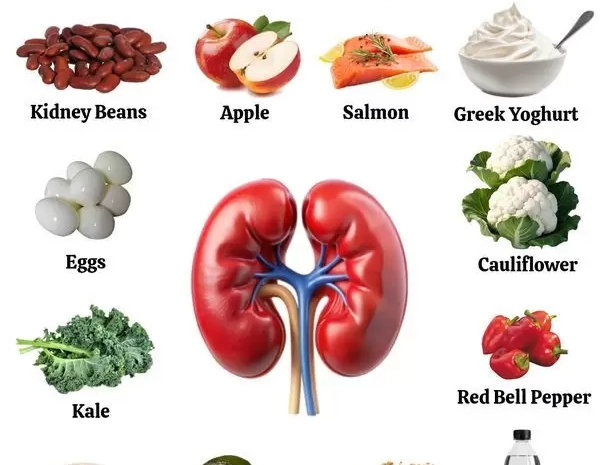
Most people’s ideas about eating health center on their waistline, heart, or cholesterol level. We hardly consider how our food affects our kidneys most of the time. Every day these two bean-shaped organs silently and relentlessly filter contaminants from our blood, balance fluids, regulate blood pressure, and generate vital hormones. Still, our kidneys are sometimes disregarded in relation to diet and lifestyle choices even if they are vital. Many people are unaware, nevertheless, that your diet directly and powerfully affects kidney function. Your dietary choices either support your kidneys or drive them closer to injury, from the protein and salt you consume to the kinds of fruits and vegetables you enjoy. We will explore in great detail in this book how your everyday diet affects your kidneys and how you may make little, environmentally friendly modifications to support them.
The Relationship Between Kidney Health and Diet
Waste from the foods you consume is broken down and eliminated in great part by your kidneys. Your kidneys must process and control every mineral you eat—protein, salt, potassium, phosphorus, and so forth. Your kidneys may get overworked and stressed if your diet consists too much of several elements—especially sodium and protein. Eventually, this can cause kidney damage, particularly if you already have diabetes or high blood pressure, the two main causes of chronic kidney disease (CKD).
One of the main difficulties is that kidney disease usually does not show symptoms until the condition has advanced greatly. Even when your kidneys start to fail, you could feel absolutely healthy. This is why awareness of preventive care is so crucial. Examining what you are placing on your plate is one of the simplest and most successful ways you can help your kidney health.
Realizing the Function of Nutrients
Building muscle and healing tissues depend on protein, but too much of it might make your kidneys function more actively. The kidneys filter nitrogenous waste the body generates when breaking down protein. High red meat or processed meat diets have been linked to higher risk of renal disease and more kidney stress. Managing protein intake becomes especially crucial for those already diagnosed with renal problems to prevent quick deterioration of their kidneys.
Still another big issue is sodium. A high-sodium diet causes blood pressure rises that directly influences kidney performance. The kidneys hold extra water to balance out too high salt levels in the bloodstream. This additional fluid strains the blood vessels and increases the difficulty of the kidneys operating as they should. With time, this might aggravate already-existing diseases or help chronic renal disease develop.
Minerals your kidneys also help to control include potassium and phosphorus. In those with healthy kidneys, they typically find equilibrium on their own. But if kidney function declines, so does our capacity to control these levels. While too much phosphorus can weaken bones and damage blood arteries, elevated potassium can cause deadly heart arrhythmias. If you show any symptoms of renal malfunction, then paying close attention to your consumption of meals heavy in these minerals becomes absolutely vital.
Processed Foods and Risk to Kidneys
Fast food and processed snacks’ popularity makes it simple to ignore the hidden risks in our diet. Often loaded with preservatives, taste enhancers, and additives that seriously compromise kidney health, these quick choices are Commonly present in processed meats, canned drinks, and packaged baked products, phosphorous additions are especially dangerous since they are absorbed more quickly than naturally occurring phosphorous in whole meals. Furthermore, many processed goods have too much sugar and sodium, both of which can aggravate blood sugar levels and blood pressure—two main foes of renal function.
Frequent use of processed and quick foods can start a series of health problems that finally compromise the kidneys. Bad diets cause obesity, which increases the risk of Type 2 diabetes and hypertension. In turn, both of these disorders tax your kidneys more heavily. Unless early dietary modifications are taken, it becomes a vicious cycle that can be challenging to interrupt.
Hydration: Simple yet Effective
Although food usually takes the stage, we should not overlook the value of what you drink. Kidney operation depends on water since it enables the organs to eliminate poisons via urine. Maintaining hydration guarantees that, without being overworked, your kidneys can efficiently eliminate waste from your bloodstream. Even mild dehydration can cause concentrated urine, which raises the risk of urinary tract infections and kidney stones.
Not all fluids, meantime, are helpful. Your kidneys may suffer from beverages including energy drinks, sweet sodas, and too much alcohol. While significant alcohol and caffeine intake might cause dehydration, sugar-loaded drinks might raise your blood sugar levels. Your kidneys will show a clear difference whether you substitute fresh, filtered water, herbal drinks, or homemade fruit-infused water.
Foods Promoting Kidney Function
Fresh, whole foods low in sodium and high in antioxidants may help you maintain healthy kidneys if you’re wondering what to be eating. Natural anti-inflammatory qualities of fruits such apples, blueberries, and cranberries make them great choices. While healthful, leafy greens like spinach and kale should be eaten in moderation if renal problems arise from their potassium levels. These foods are an excellent supply of vital minerals and vitamins for persons with healthy kidneys.
Low-fat dairy or dairy substitutes, whole grains like brown rice and oats, and plant-based proteins like beans, lentils, and tofu have nutritional worth without taxing the kidneys excessively. Closely related to kidney function, healthy fats as those found in avocados, almonds, and olive oil help lower inflammation and improve cardiovascular health.
Using fresh ingredients and more home-cooked meals allows you complete control over what you eat. Effective ways to support kidney health and general wellness are using herbs and spices instead of salt for taste, tracking portion amounts, and making ahead of time meal plans.
Cultural Diets and kidney function
Various civilizations all across have diets that naturally promote kidney function. For example, the Mediterranean diet stresses lean meats, whole grains, fresh fruits and vegetables, and good fats—all of which fit kidney-friendly guidelines. Likewise, when well-balanced, plant-based diets reduce oxidative stress and blood pressure, therefore providing several beneficial effects on the kidneys.
Conversely, diets heavy in red meat, fried meals, and sugary drinks—common in Westernized eating patterns—may be negative over time. Even small changes toward conventional, better diets can greatly enhance health and lower kidney-related risk.
When You Currently Have Kidney Disease
Dietary adjustments become especially crucial if you have early-stage renal disease or are highly at risk. To assist your kidneys to be less stressed, your doctor or a renal dietitian may advise a special kidney diet, sometimes known as a renal diet, which lowers some nutrients like protein, salt, potassium, and phosphorus.
Each instance is different, hence adapted diets are quite important. Phosphorus issues could force some people to cut dairy intake; others might be advised to limit fruits like bananas or oranges because of their high potassium concentration. Following these rules can slow down the course of renal disease and, occasionally, help retain residual kidney function for many years.
How to Begin Making Choices That Are Kidney-Friendly
Changing to a kidney-friendly diet does not mean you have to abandon all the things you enjoy. It speaks to consistency, alertness, and balance. First start by progressively cutting back on your salt intake and cooking more meals at home. Few times a week replace red meat for fish or plant-based foods. Cut back on soda and sip more water. Limit processed snacks and increase your meals’ fresh fruit and vegetable count.
Although at first these changes may seem daunting, over time even little modifications can have a significant effect. Not only in your kidney health but also in your energy levels, digestion, and general wellness—the more regularly you follow a kidney-friendly dietary pattern.
The Function of Frequent Visitations
Apart from nutrition, keeping an eye on kidney condition by frequent visits is absolutely vital. Early kidney problems can be found by routine blood and urine tests, therefore enabling quick therapies. Should kidney disease, diabetes, or high blood pressure run in your family, you particularly should monitor your kidney performance. Your doctor can provide direction on how to modify your diet in line with your lab findings.
In the end
Behind the scenes, your kidneys are continuously maintaining balance and operation of your body. From your morning coffee to your dinner plate, the decisions you make daily either help or burden them. One of the most effective strategies to guard your kidneys and avoid chronic renal disease is to be aware of your food. So keep in mind the next time you sit down for a meal: what is on your plate fuels your future rather than only feeds you. You are the kidney count-dependent one.